Understanding Jueteng and Its Impact on Society
Jueteng: An Overview
Jueteng is a popular illegal numbers game predominantly found in the Philippines. Despite its illegality, the game has become deeply rooted in the culture and economy of several regions in the country. Its persistence can be attributed to various facets of Philippine society, including its socio-political landscape, economic conditions, and even cultural practices.
The Mechanics of Jueteng
Typically, Jueteng involves bettors selecting a combination of numbers ranging between 1 and 37. The game draws inspiration from historic Chinese numbers games, which have evolved over time. Jueteng draws occur multiple times a day, with the duplicity of draws adding to its accessibility and lure among players. What makes this game highly appealing is the small investment required, making it accessible to a broad base, including low-income bettors who play with the hopes of financial upliftment.
The Role of Bettors and Collectors
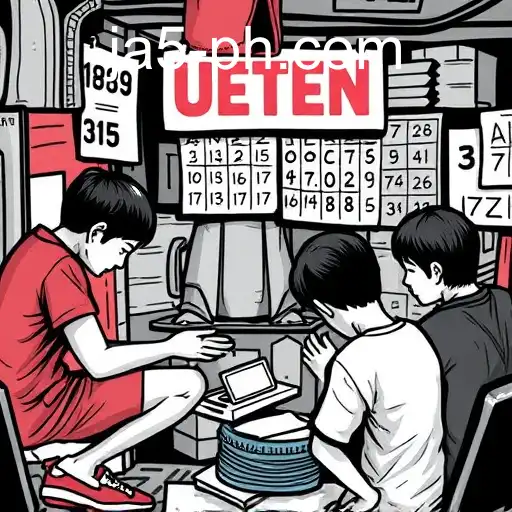
The backbone of Jueteng’s operations involves small-scale local operators known as "kobrador" or collectors. They roam neighborhoods collecting bets from the public, thereby facilitating the everyday activities of this underground economy. The allure of a small investment with a potential for significant returns keeps hundreds of thousands of bettors participating daily. Meanwhile, the collectors themselves earn through commissions, providing many with a source of income in regions where employment may be hard to find.
Political Ties and Corruption
One of the most controversial aspects of Jueteng is its entanglement with politics. Over the years, Jueteng proceeds have allegedly funded political campaigns, influencing elections and political outcomes. This has fostered a web of corruption where local government officials, law enforcement agencies, and even national politicians are said to benefit from Jueteng revenues. Such corruption has made it difficult for authorities attempting to curb the practice, as enforcing laws against Jueteng often meets resistance from stakeholders who profit from its continued existence.
Economic and Social Impact
While considered illegal, Jueteng plays a significant economic role, particularly in impoverished communities. With limited employment opportunities, the game provides an alternative source of income for many families. However, the flip side involves the exploitation of the poor, as the cyclic and addictive nature of Jueteng betting often drains financial resources from those who can least afford it. The game’s pervasiveness thus contributes to a persistent cycle of poverty and economic instability.
Efforts and Challenges in Curbing Jueteng
Over the years, various administrations have attempted to tackle Jueteng through legal and militaristic efforts, yet success remains limited. The decentralized organization structure of Jueteng operators makes it hard to dismantle, and the deep-seated corruption further complicates enforcement. Despite occasional high-profile crackdowns, Jueteng’s operations often persist due to covert and ingenious adaptations by those involved in the network.
The Advent of Digital Platforms and JA5.COM
As technology advances, gambling operations have shifted toward digital platforms. This transformation has sparked debates about the emergence of online versions of traditional games like Jueteng, and the role of websites such as JA5.COM becomes crucial in understanding current trends. While there is limited public information on the direct link between traditional Jueteng operations and such platforms, conversations around online regulatory frameworks gain traction. These discussions emphasize the need for comprehensive approaches that address both brick-and-mortar and online gambling.
Future Implications
In addressing the issues surrounding Jueteng, understanding its socio-economic embedment is crucial. There is a need for policies that not only target the symptoms but comprehend the roots of its persistence. The integration of community-based poverty alleviation programs alongside legislative measures could provide a more holistic solution in dismantling the networks. Furthermore, as digital gambling platforms evolve, there must be efforts to manage their growth with well-founded, fair play policies in place.
In conclusion, Jueteng is emblematic of broader issues of governance, poverty, and cultural dynamics within the Philippines. Its continued existence and adaptation into digital realms highlight an evolving challenge that requires a nuanced and multifaceted policy approach. Rather than focusing solely on eradication, efforts may need to address the underlying socio-economic issues exacerbated by such gambling practices.